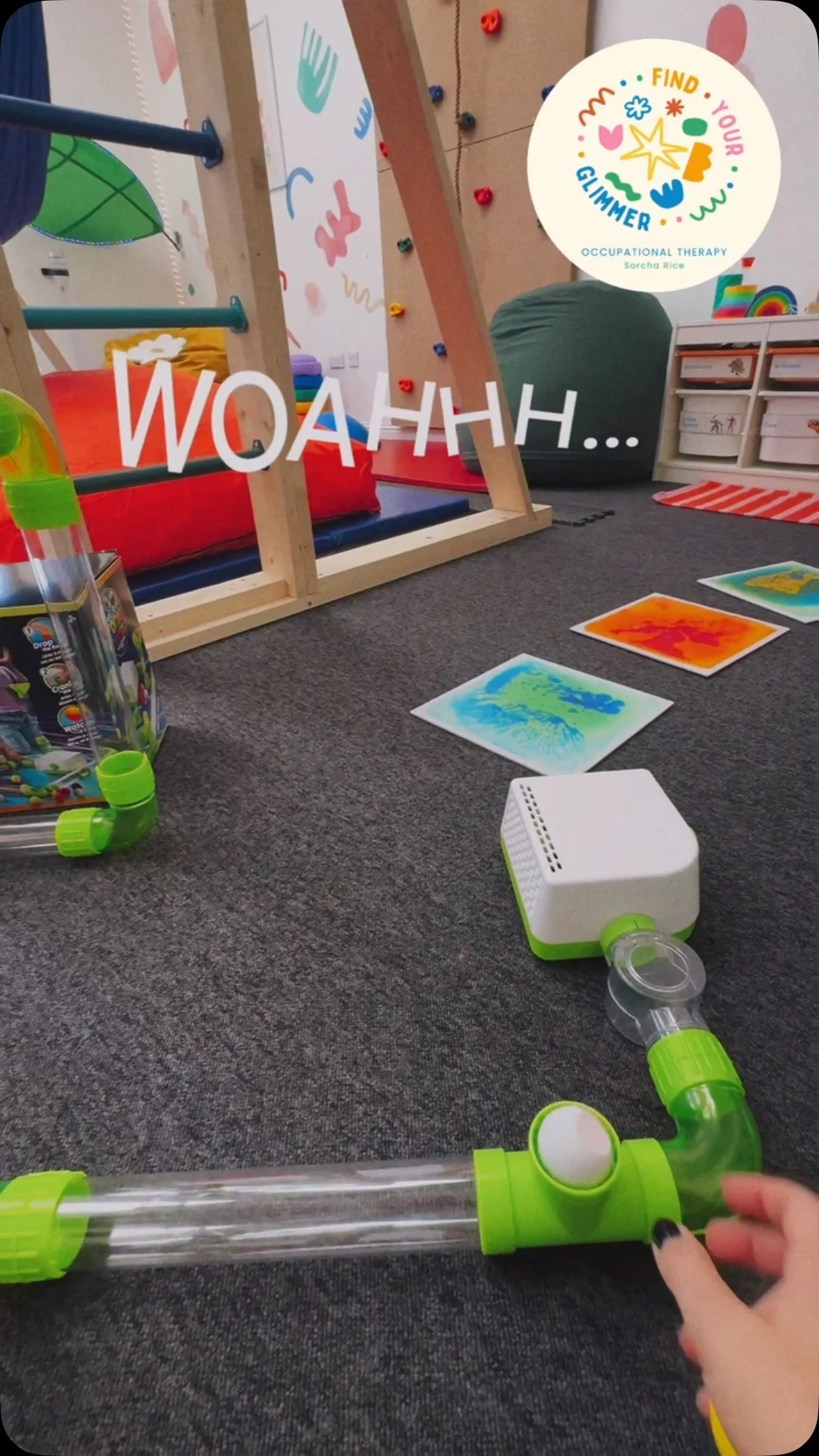
Neuroaffirming Occupational Therapy

Supporting neurodivergent children and teenagers through child-led, regulation-first Occupational Therapy.
how can i support you?
Parent Consultations
Online support to better understand your child's needs, explore what's happening underneath behaviour and find practical ways forward.
OT Assessments & Therapy
Child-led Occupational Therapy assessments and individual support, centred around your child's sensory needs, regulation and everyday participation.
School Supports
Classroom consultations and neuroaffirming training to help teachers and SNAs better understand and support the children in front of them.
Understanding What's Underneath Behaviour
What we see on the outside doesn't always tell us what's happening underneath.
Sensory experiences, communication, demands and fluctuating nervous-system capacity can all influence how a child experiences their day.
My approach starts with understanding the child, supporting regulation and making everyday environments more accessible.
Hi, I’m Sorcha!
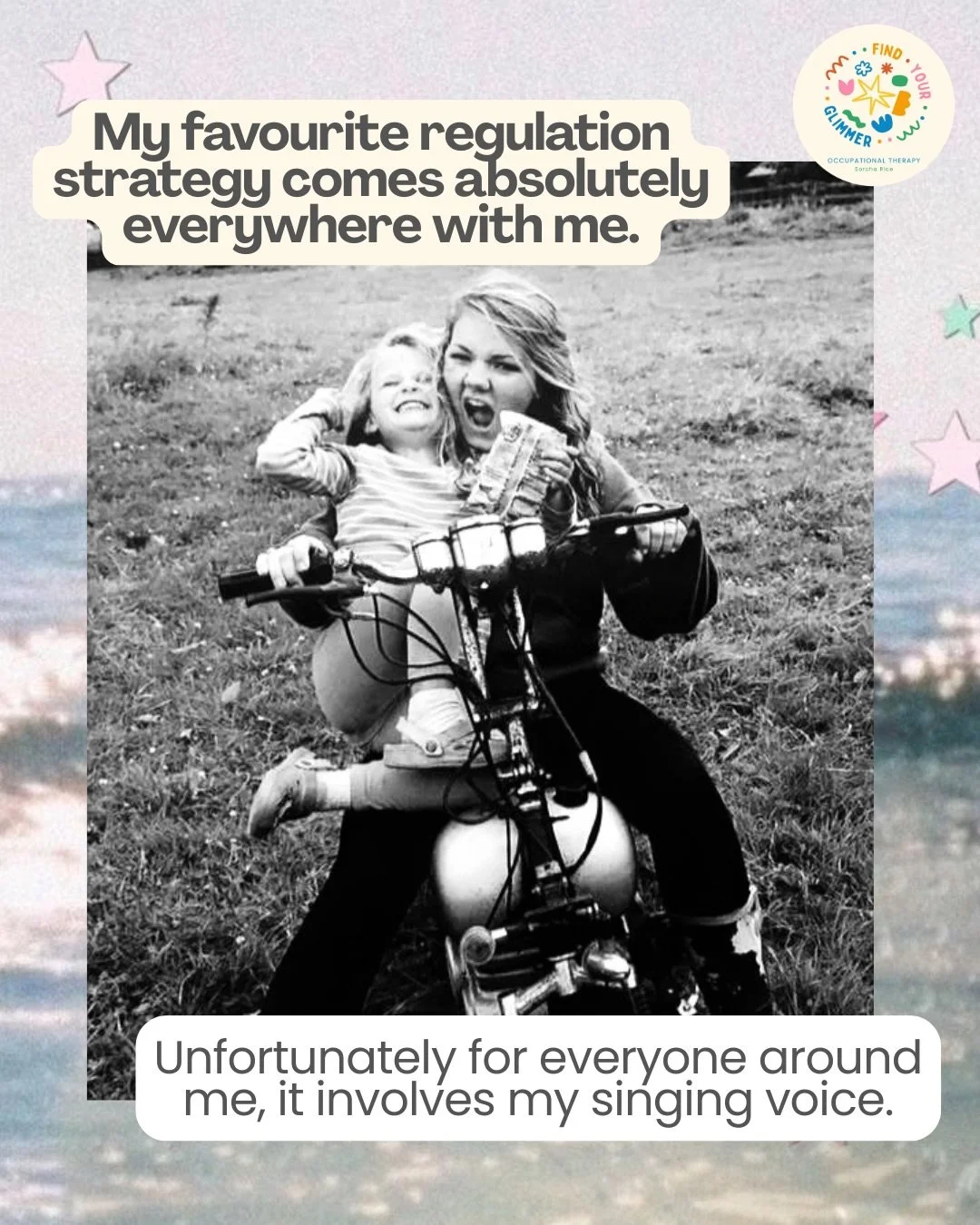
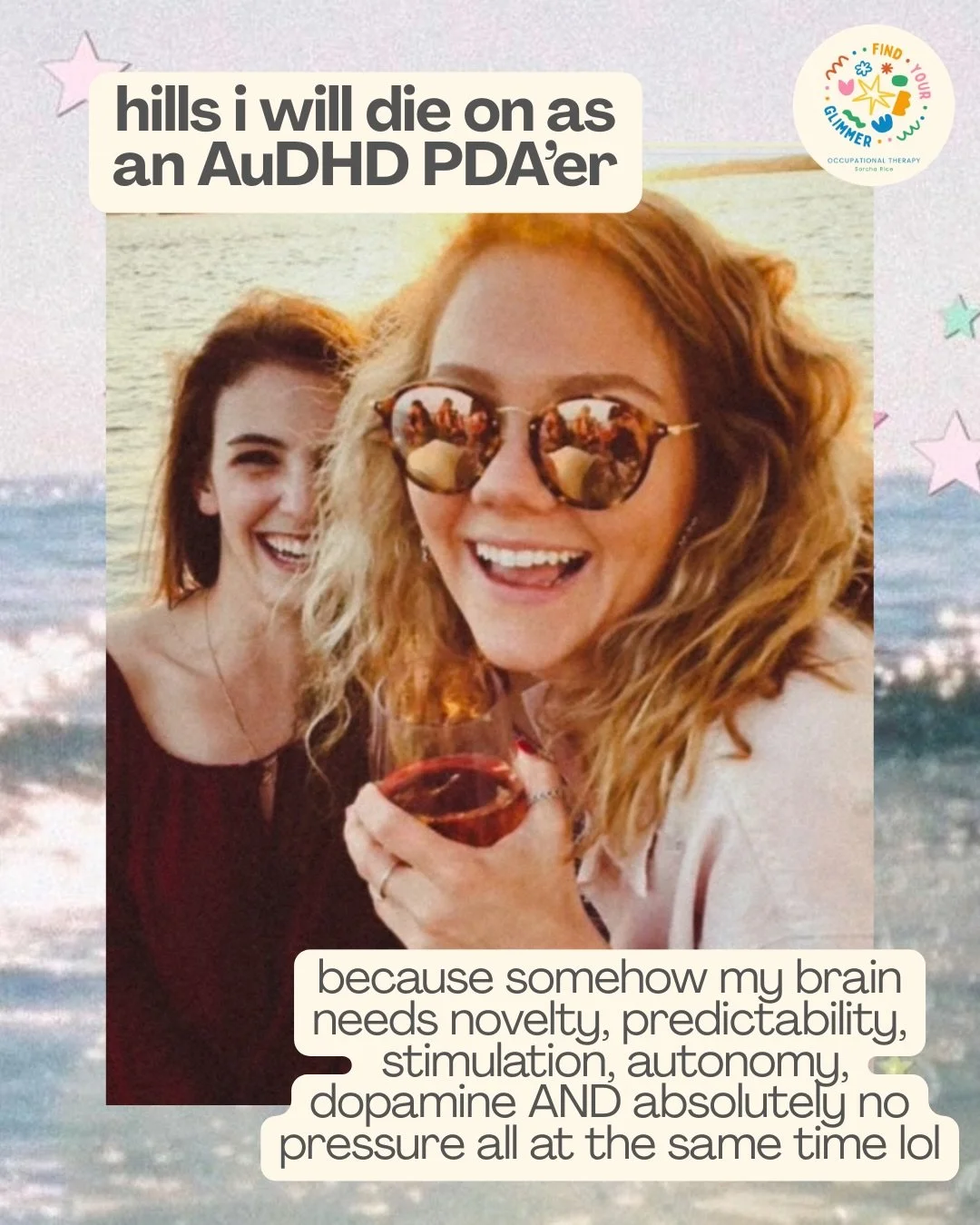
I'm a Senior Occupational Therapist, and I'm also an AuDHD (Autistic & ADHD) PDA'er.
I bring both professional knowledge and lived experience to my work, but what matters most to me is getting to know the child and the people around them.
I don't believe in one-size-fits-all approaches. I work alongside children, families and schools to find realistic ways to support regulation, autonomy and participation in everyday life.
Not Sure Where to Start?
You don't need to have everything figured out before getting in touch.
Whether you're looking for support for your child, exploring Occupational Therapy or enquiring on behalf of a school, you're welcome to reach out.
We can explore what support might be useful together.
My instagram
You can follow me on Instagram at @ot_sorcharice, where I share educational content, reflections, and perspectives shaped by both my lived experience and clinical background.
The views shared are reflective of my personal experiences and professional understanding and are not intended to replace individual medical or therapeutic advice.