About Me
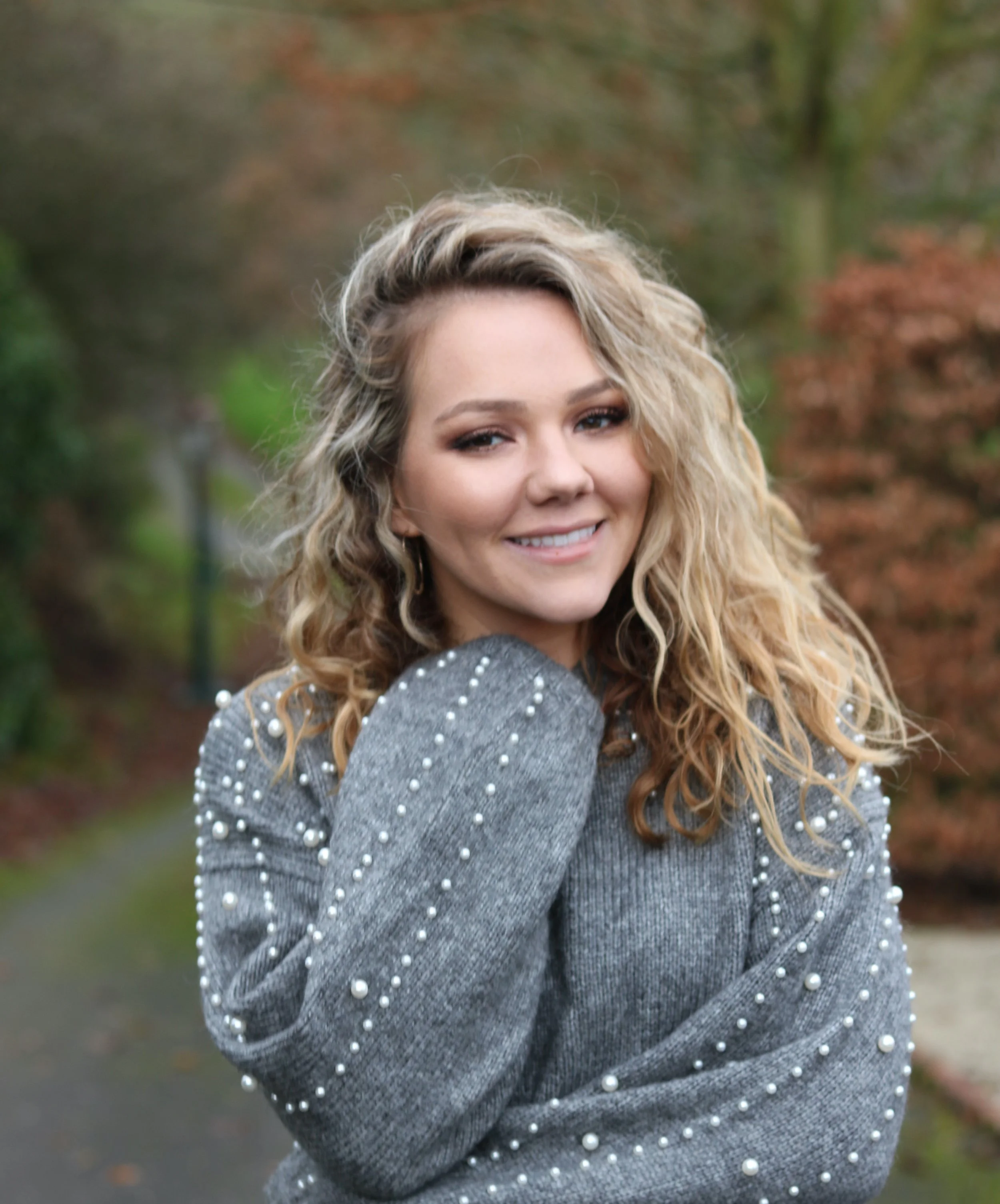
Hi, I’m Sorcha Rice.
I'm Sorcha Rice, a Senior Occupational Therapist and an AuDHD PDA'er. My lived experience and professional background both shape how I approach my work.
For years, I experienced repeated cycles of burnout without fully understanding what was happening in my nervous system. That experience has had a huge influence on how I understand regulation, autonomy and fluctuating capacity.
I work alongside children, teenagers, families and schools. I really believe in getting to know the person in front of us, working together and finding support that is practical and meaningful in everyday life.
My Journey
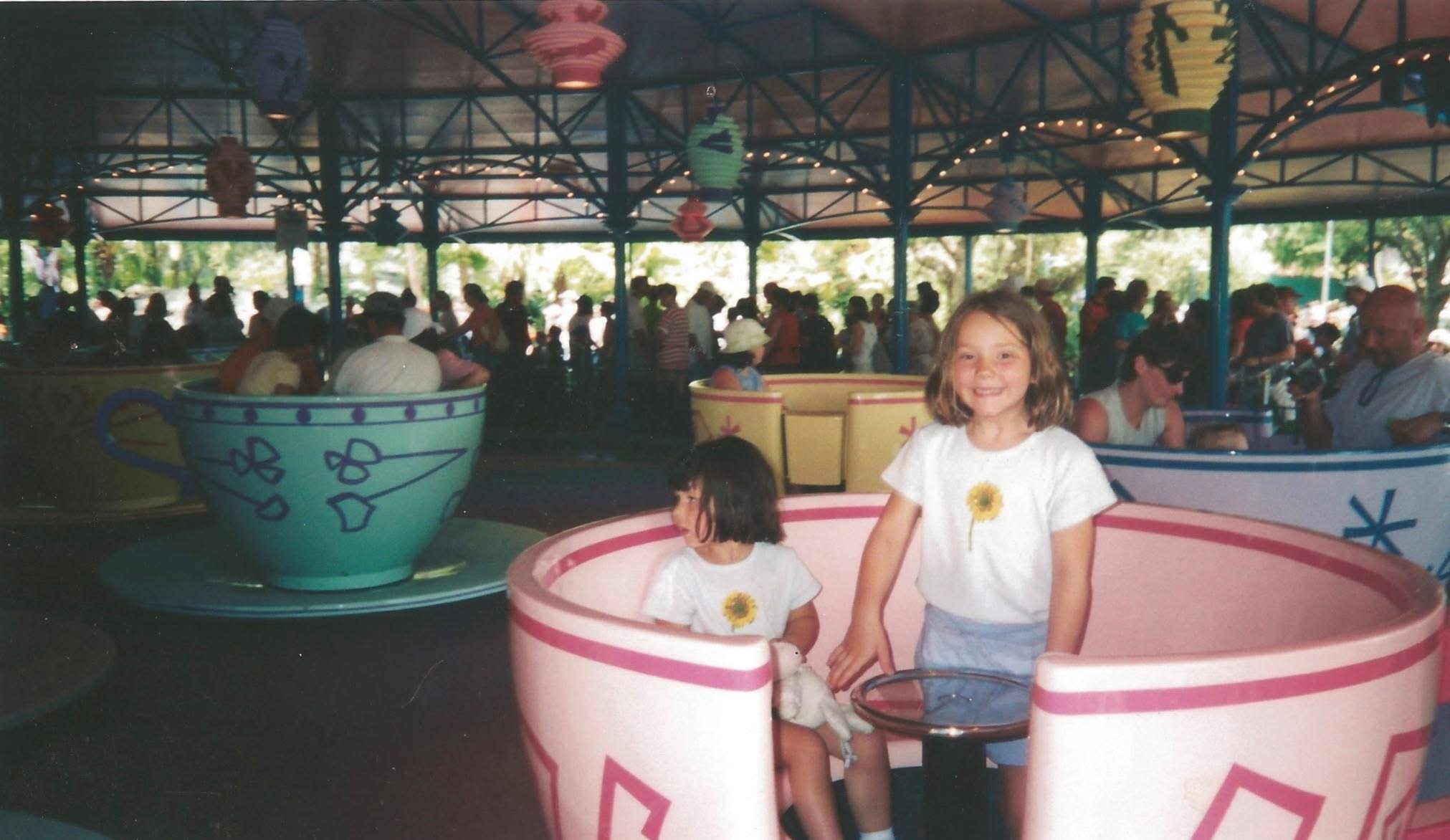
I've spent a lot of my life wanting to do things and not always understanding why I couldn't access them. I could really want a routine, but the moment it became an expectation, things could become difficult. I could enjoy being included but find the planning, questions or uncertainty around an invitation overwhelming.
Understanding that I'm an AuDHD PDA'er has helped me make sense of so many of these experiences, including the cycles of burnout I've experienced throughout my life. It's also helped me recognise just how important safety, autonomy and the people around us can be.
I bring that perspective into my work as an OT. I know how much difference it can make when someone takes the time to understand what's happening underneath, rather than focusing only on what they see on the outside.

My Professional Background
I'm a CORU-registered Senior Occupational Therapist with a Master's degree in Occupational Therapy. I've worked across a range of paediatric and school settings, supporting children, teenagers and their families.
My experience includes working within the In-School Therapy Pilot Programme, supporting children and school staff to put neuroaffirming, child-led and regulation-first approaches into everyday practice.
Alongside my clinical work, I provide training and professional education, with a particular interest in PDA, sensory processing, nervous system regulation and co-regulation.
Clinical Experience
Child-led assessments, individual therapy and support for children, teenagers and families.
School-Based Practice
Working collaboratively with teachers and SNAs to support participation and accessibility.
Training & Education
Supporting families and professionals to develop their understanding of neurodivergence and regulation.
My Approach
Understanding before expectations.
I don't believe support should begin with trying to change what a child is doing. I want to understand what's happening for them, including their sensory experiences, communication, autonomy and nervous system capacity.
Regulation and co-regulation are at the centre of my work, whether that's an assessment, therapy session or supporting a family or school.
I really believe in working together. Children, families, teachers and therapists all bring different perspectives, and the best support comes from listening, sharing that knowledge and finding realistic ways forward.
Beyond the Clinic
Alongside my clinical work, I deliver talks and workshops for parents, teachers, SNAs and other professionals, sharing both my OT knowledge and lived experience as an AuDHD PDA'er.
I'm passionate about making information practical and accessible. Whether I'm delivering training, creating resources or having conversations with other professionals, I want people to leave with a better understanding of nervous system regulation, autonomy and how we can support people in everyday life.
FEATURED PODCAST
Understanding PDA
I joined the Middletown Centre for Autism podcast to discuss my lived experience of PDA, what it can feel like and how we can better support children at home and in school.